Jesús Molina - “I wanna generate some controversy.”
talked with 2 players/DMs recently who had no clue such games  exist, so here is the post
a “few” examples
RPGs that give players narrative control
So in many popular RPGs (D&D, Daggerheart, Pathfinder, Cyberpunk…) players tell the GM what their characters do, and then the GM tells them how the world reacts. Sometimes it depends on rolls …
… but how about games, where the players too can tell what is happening?
e.g.
- “I actually have an old friend who is a retired guard. She lives not too far away, we could ask her.”
-
 (introducing a new NPC)
- “The alley is full of piles of trash, that would provide good cover.”
-
- (adding that to a scene)
- [when the BBEG is revealed] “OMG mum! What are you doing here?”
-
- (establishing that the BBEG is actually that character’s mum)
- [when succeding on a “History” check … ]
-
- [… results in that player defining this piece of history in the setting]
In theory you could do that in any RPG … but there are several RPGs where this is actually the way it is supposed to work, or at least presented as an alternative that is encouraged.
So those are more a “tell a story as a group” thing if you will.
Itras By
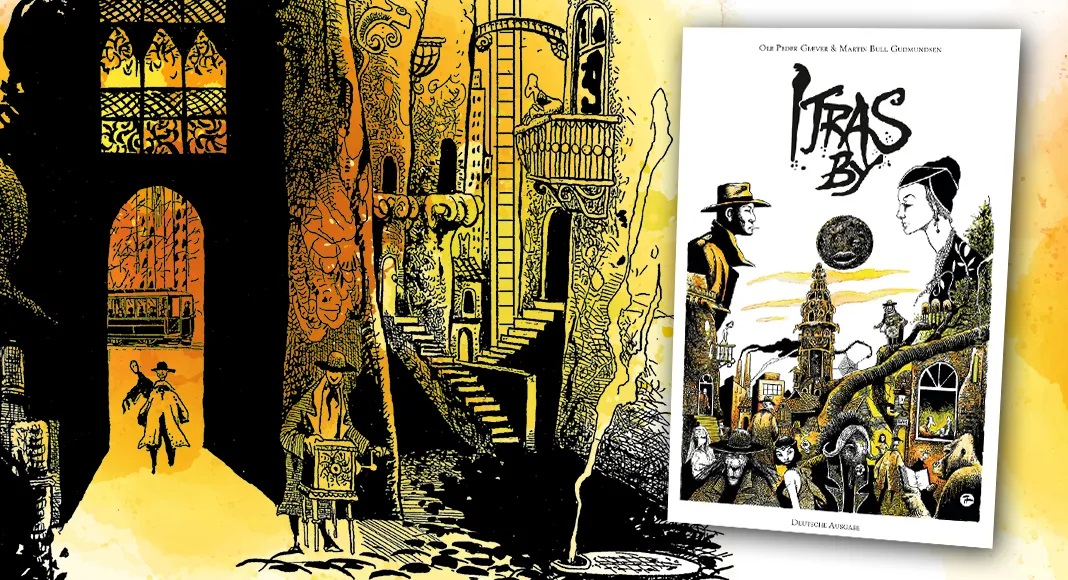
Itras By (  : Itra’s city) is a surreal roleplaying game set in a city reminiscent of Europe in the 1920’s. The system is card based and focuses on freeform and improvisation.
Characters have no stats … so there are no dice. Itras By instead uses cards as a resolution, which are interpreted by other players. It also features cards that are used as a “special” prompt, if you have the feeling things are not surreal enough … or you just feel like it^^.
The system lives from its setting which is inspired by 1920-30 European surrealism, and was created via free writing.
FATE Core & FATE Accelerated
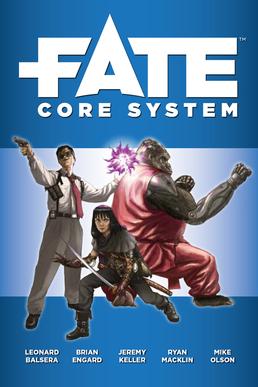
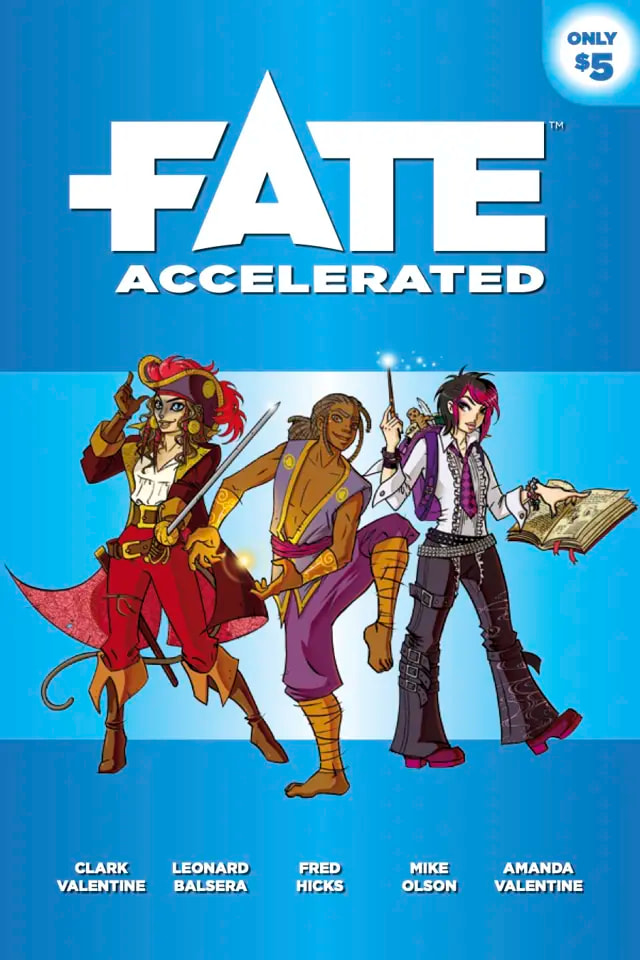
FATE is a generic RPG system, where players can use and/or generate “Aspects” (e.g. the ally is dark), which then can be used by characters to aid or hinder in a scene.
FATE Core is the more crunshier one, while FATE Accelerated is the less crunshier one.
In both cases FATE uses Fudge dice:
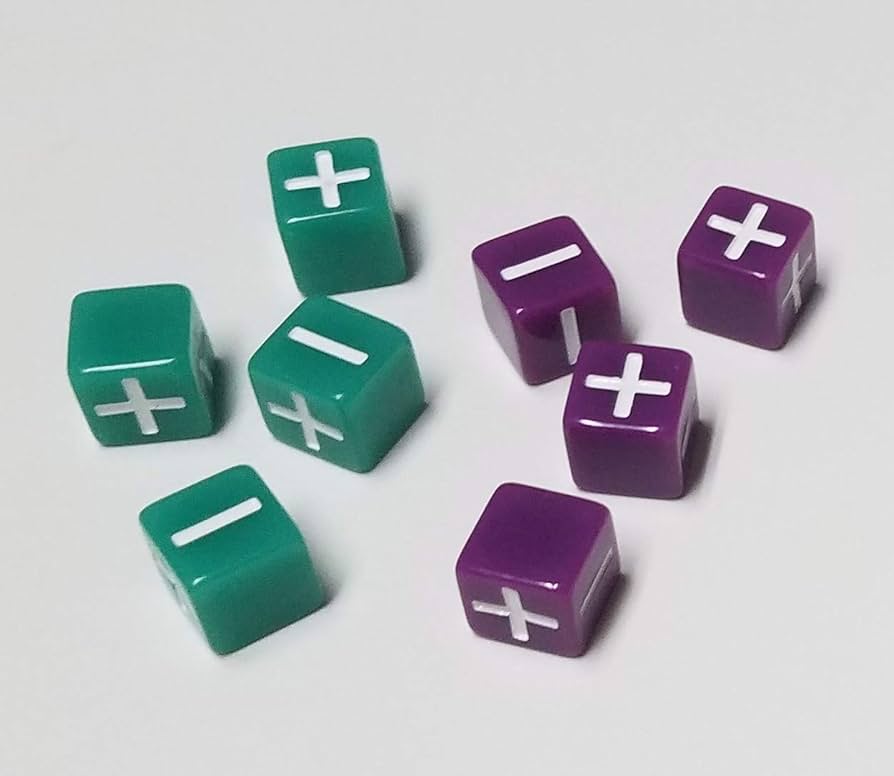
Since FATE is generic you can play basically everything with it from Superheroes, SciFi space opera, to urban fantasy.
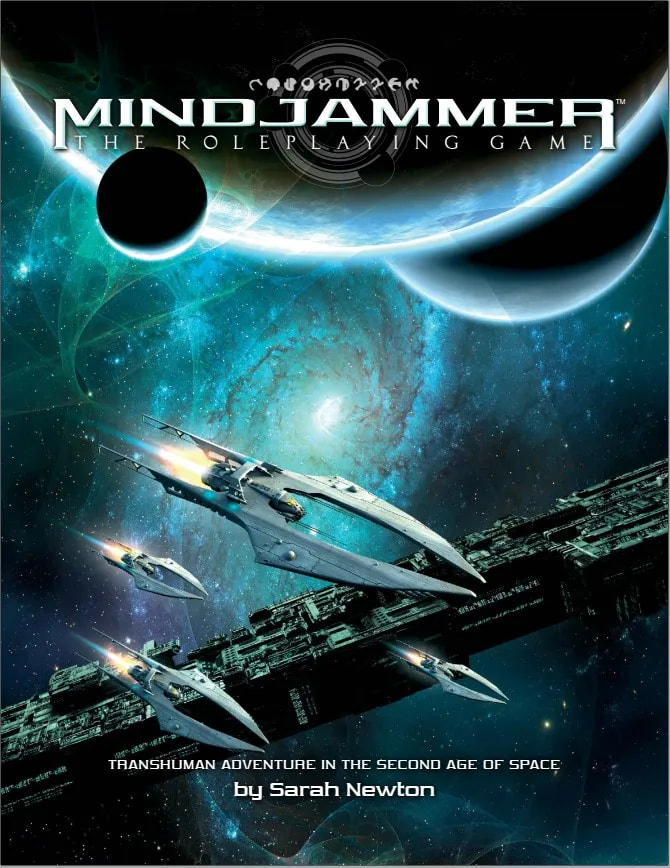
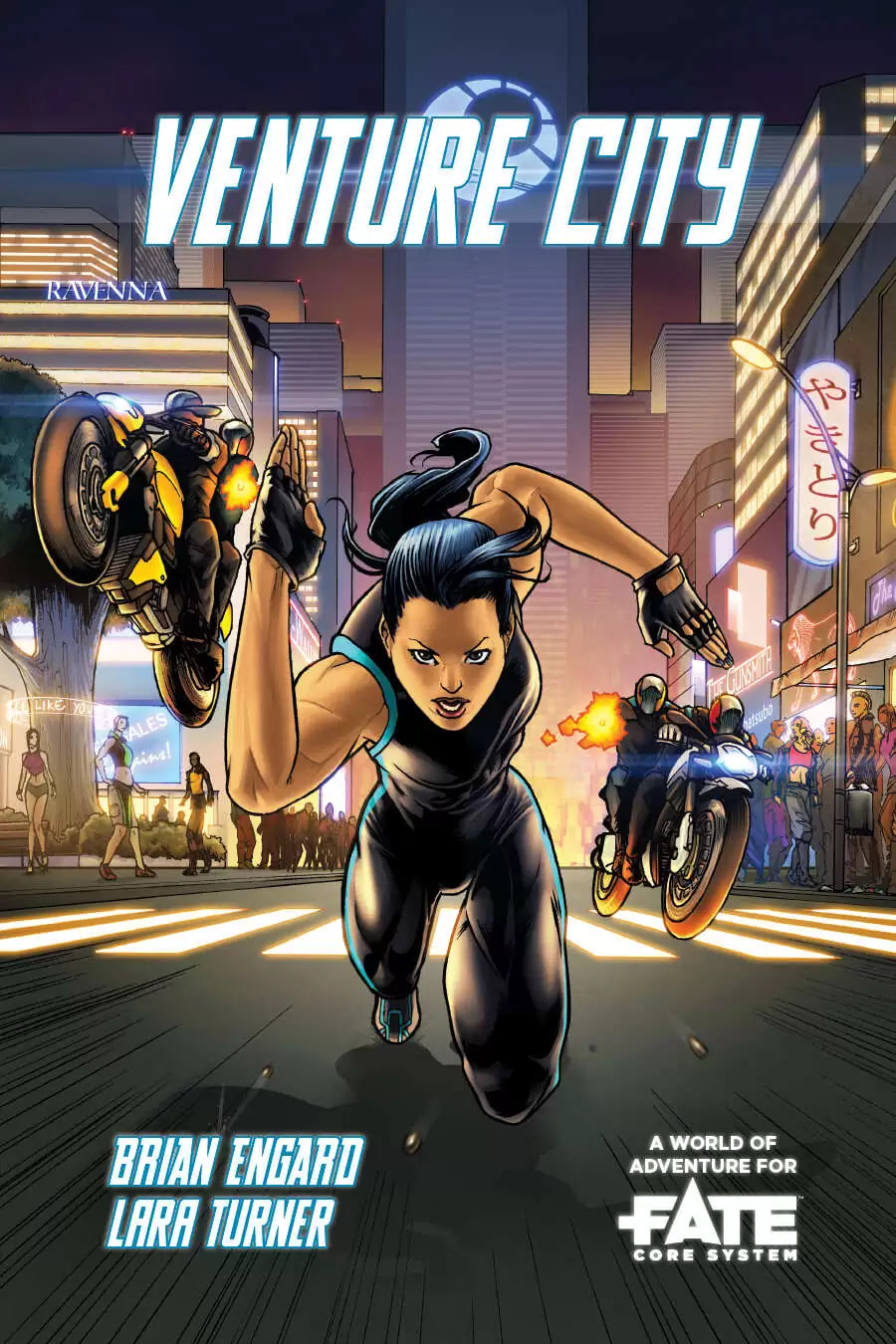
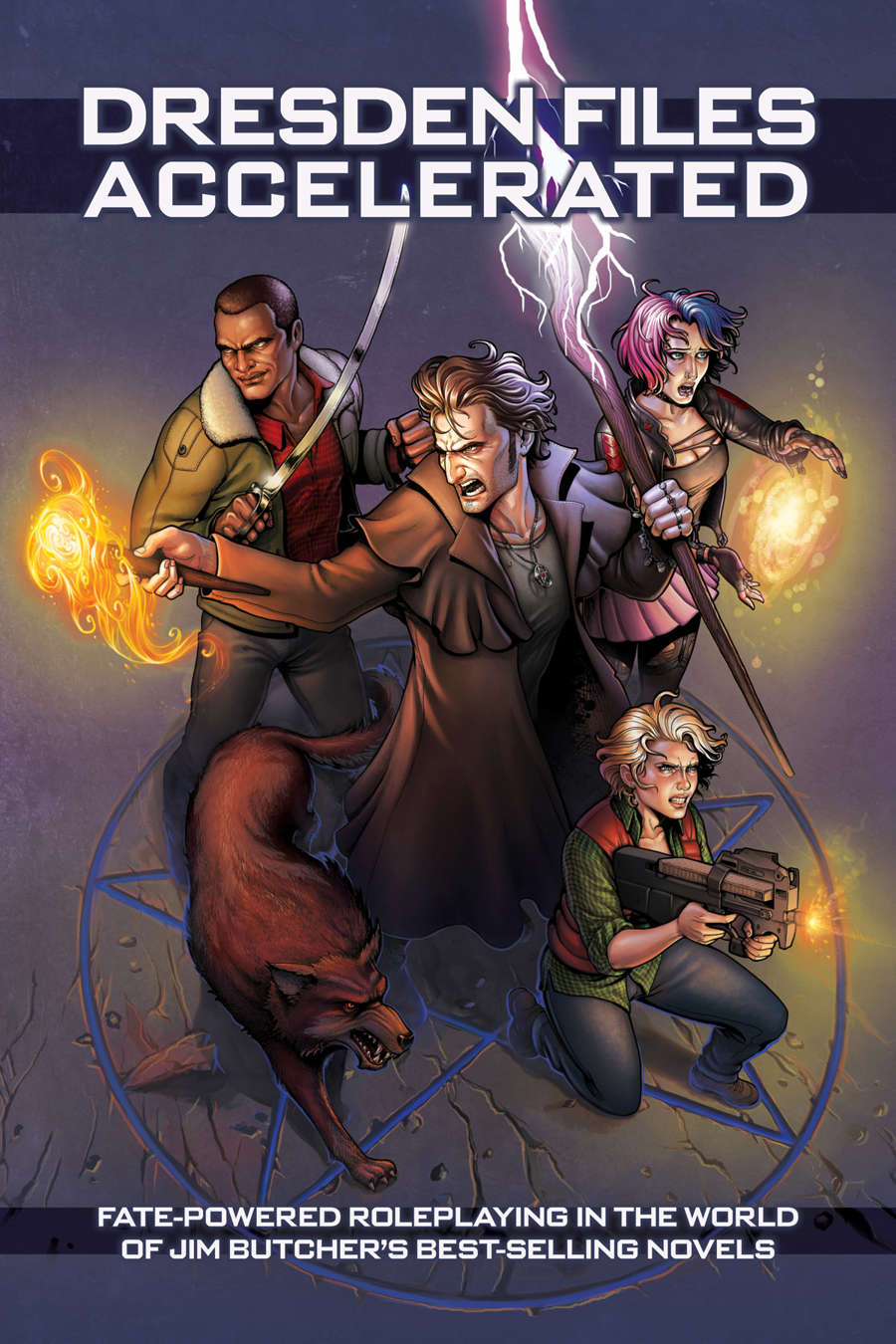
(later) 2d20 Modiphius games
note: [imo. the earlier ones were a bit “wonky” - esp. the editing]
These RPGs use a pool of d20s (typically at least 2) for checks. The main difference here is that the players and the GM can use various checks and points of pools to add “Traits” to a scene - e.g. “dense asteroid field”.
These “Traits” either make something possible that was not possible before, or make something impossible that was possible before, or increase/lower the difficulty.
This system has been adapted to various IPs (with small modifications to fit that part. world).
- e.g. Star Trek 2E, Dishonored (revised), DUNE
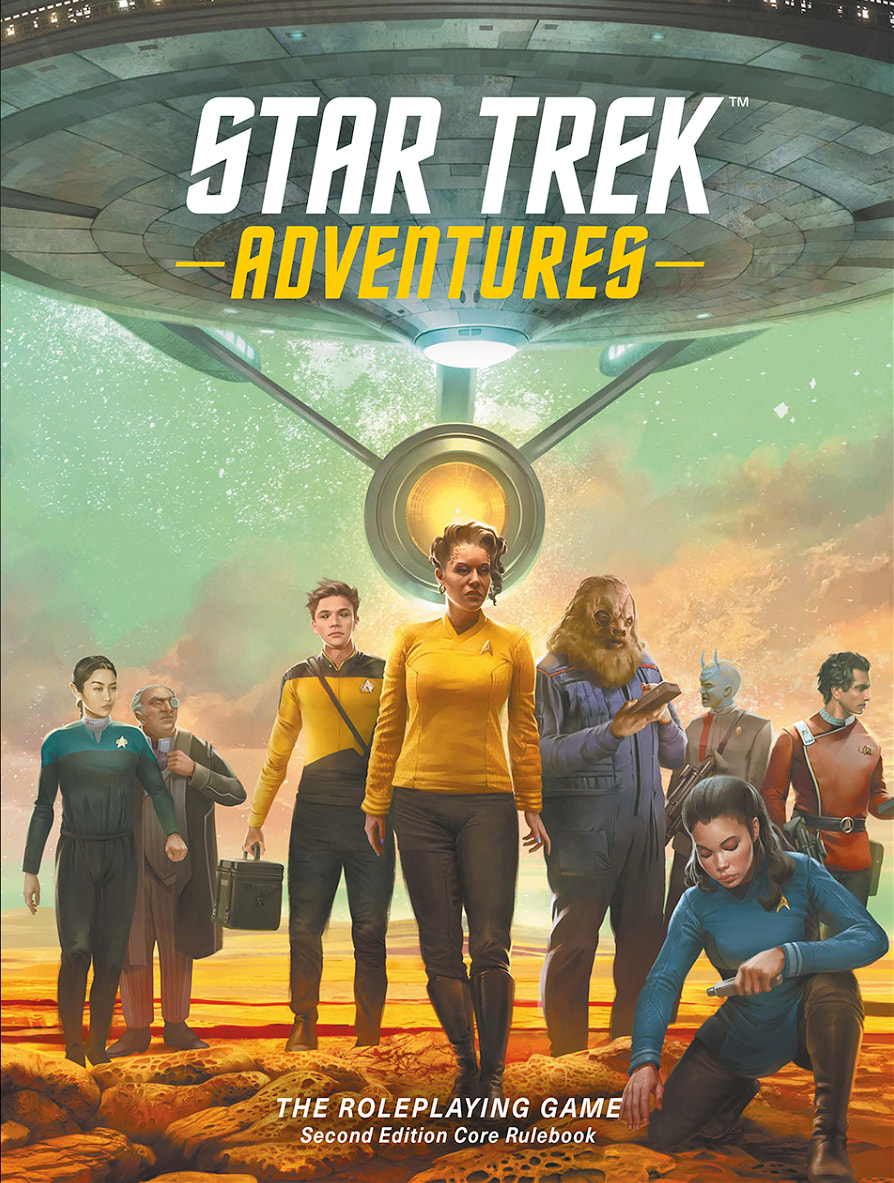
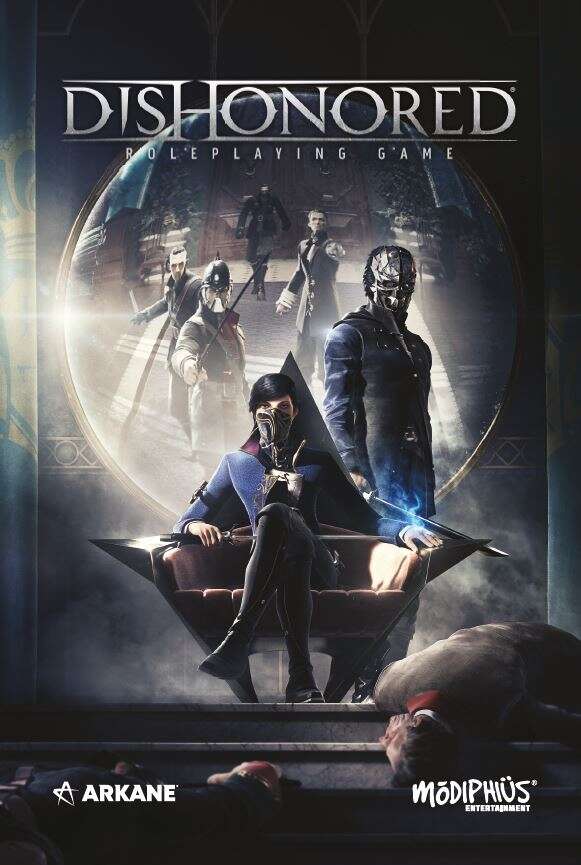
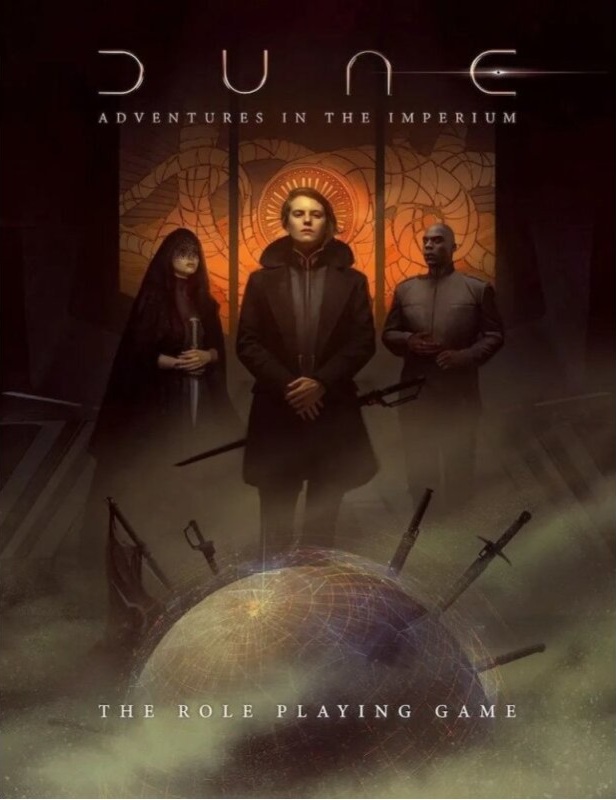
p.s.: what I really like about those systems is that the (most common) pool of “story points” is shared by the players, really giving the “we are a team” vibe to a group. Also there is a strong focus on how your character’s outlook changes by the story they are experiencing.
Cortex Prime
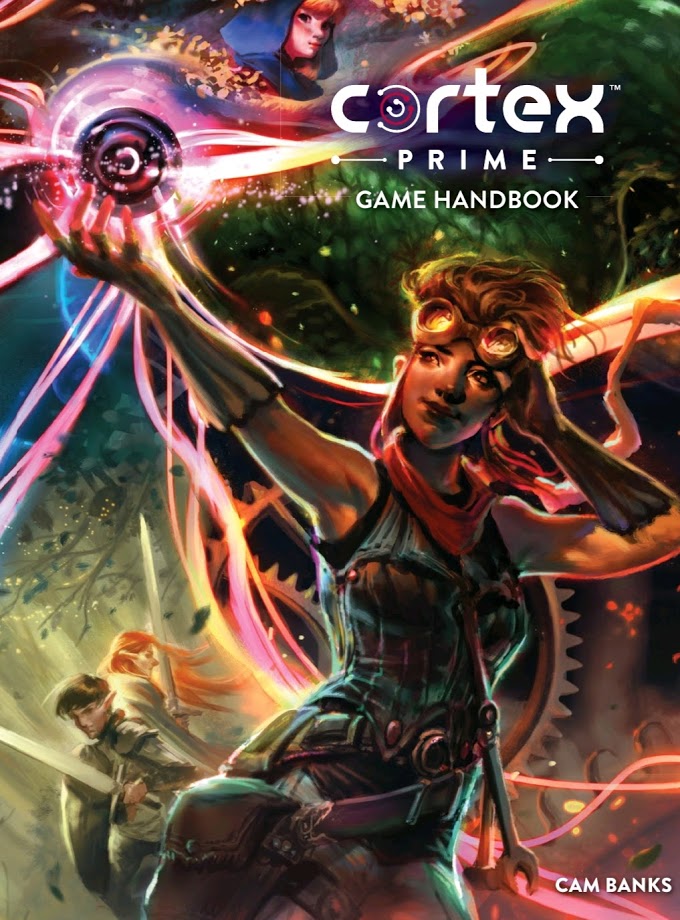
This system uses a dicepool of d4, d6, d8, d10, and d12 to create Assets and Complications in a scene.
The main difference to other systems is that these Assets / Complications have a “value” (e.g. “Restrained d8”).
Players and the GM also have a pool of Plot Points that can be used to influence these Assets / Complications.
Cortex Prime is the modernized, modular “toolkit” evolution of the Cortex Plus system, designed to be a generic, customizable system rather than separate, genre-specific games.
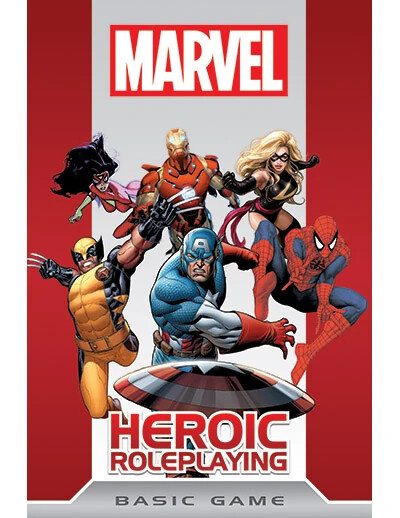
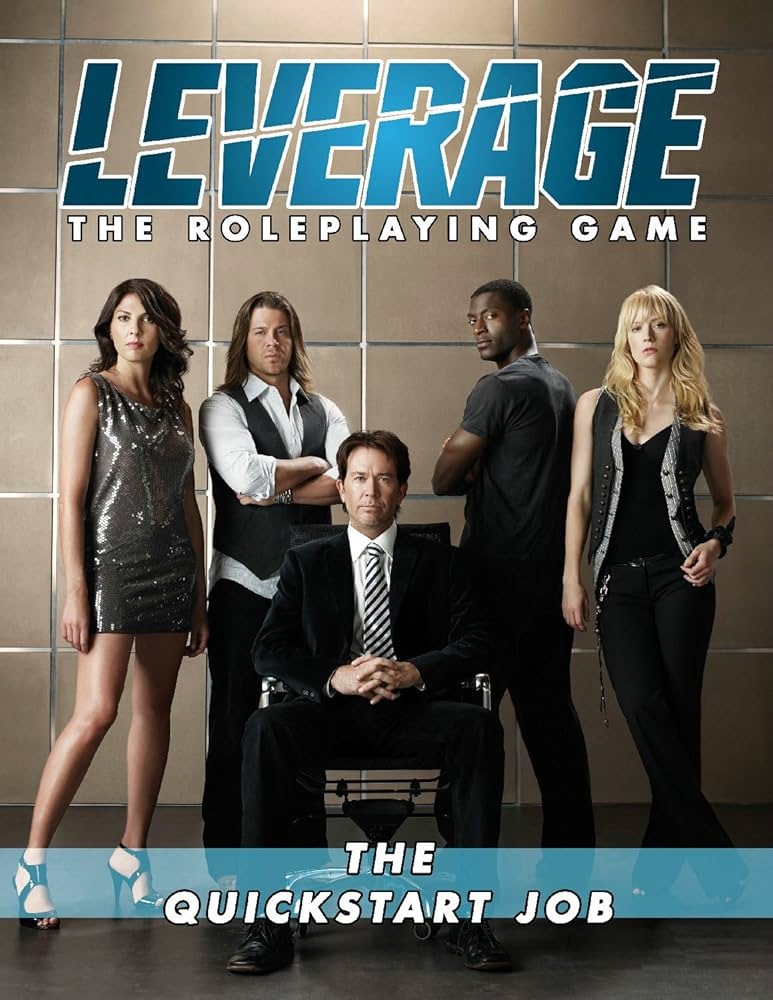
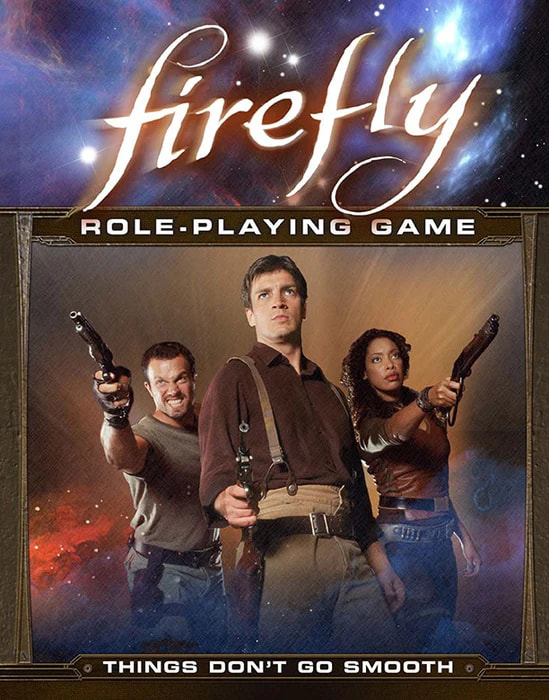
Some of those were pretty nice though:
Swords of the Serpentine
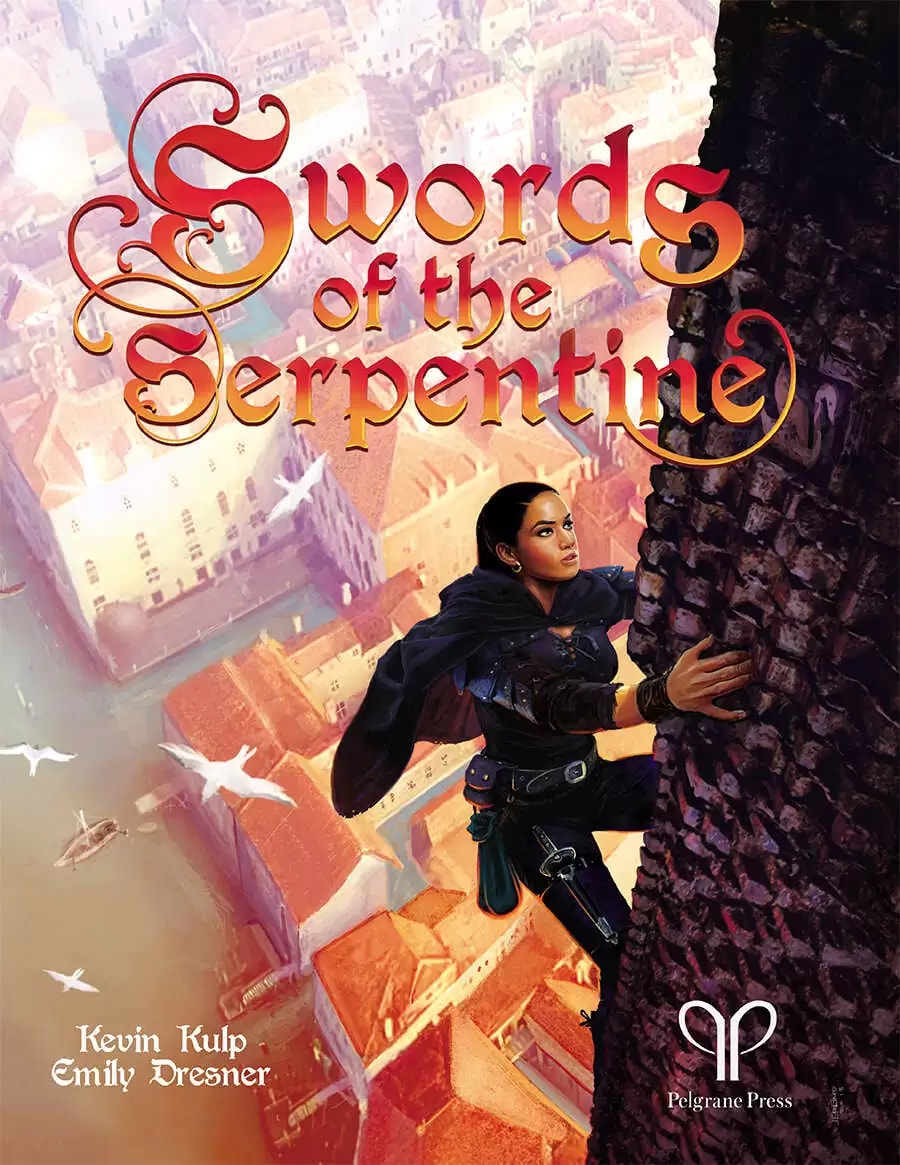
This is a game that focuses on Fafhrd and the Gray Mouser, Lies of Locke Lamora, Thieves’ World vibes.
It uses the GUMSHOE system (which is focused on investigation and horror), but Swords of the Serpentine is focused on really satisfying cinematic combat, with a side order of social combat and political manipulation instead.
As in other GUMSHOE games you have Investigative skills that just work. e.g. if you have Medicine and look at a corpse, you get the info - no check required … you can then spend points (dep. on your Medicine skill) to get extra information.
For action scenes a seperate pool of Action skills are used (and there checks are made).
In Swords of the Serpentine spending your Investigative abilities also can give you narrative control over the world. For instance, a rank of Laws & Traditions means you know all about the local laws, but you can spend that point to make up a law or tradition on the spot that’s true and always has been true, it’s just never come up before now. Or you could spend that point to do extra damage when locked in social combat with a member of the city watch.
New Fire
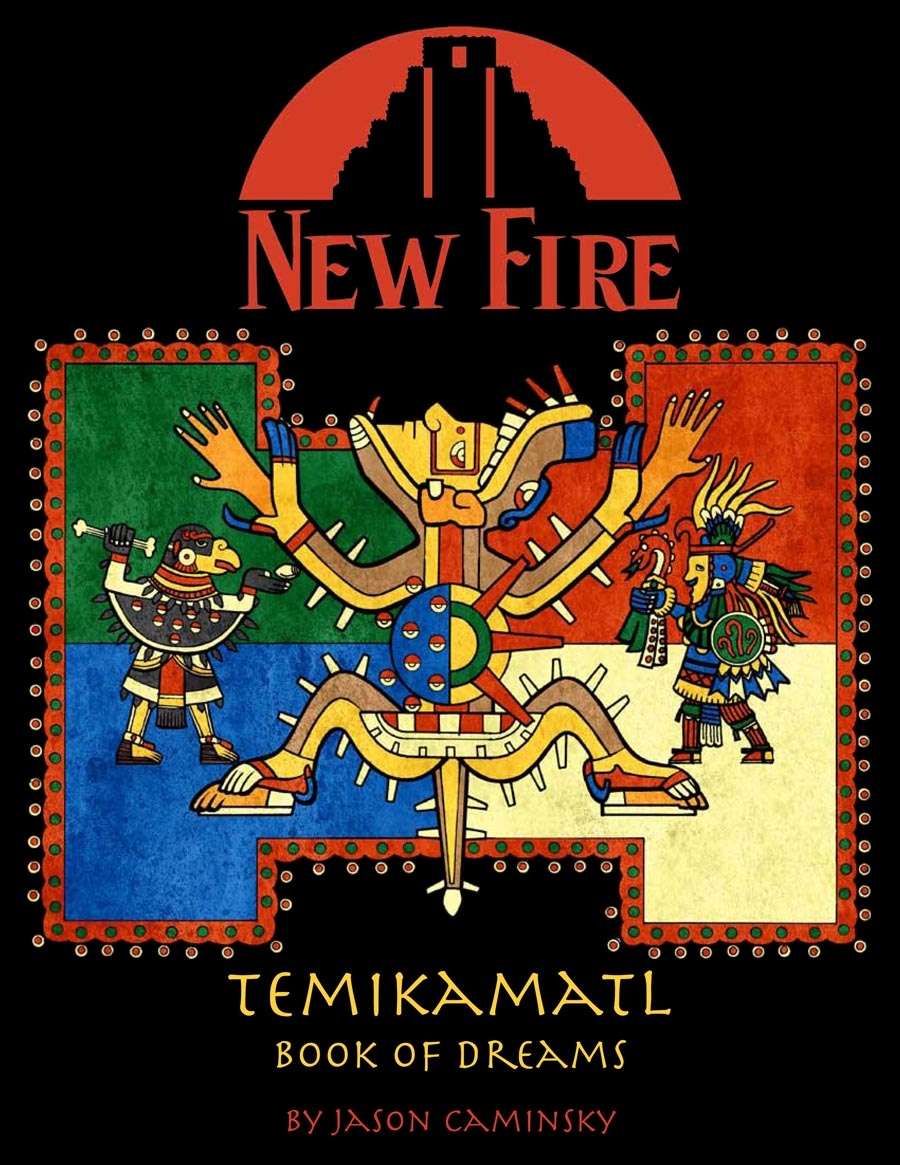
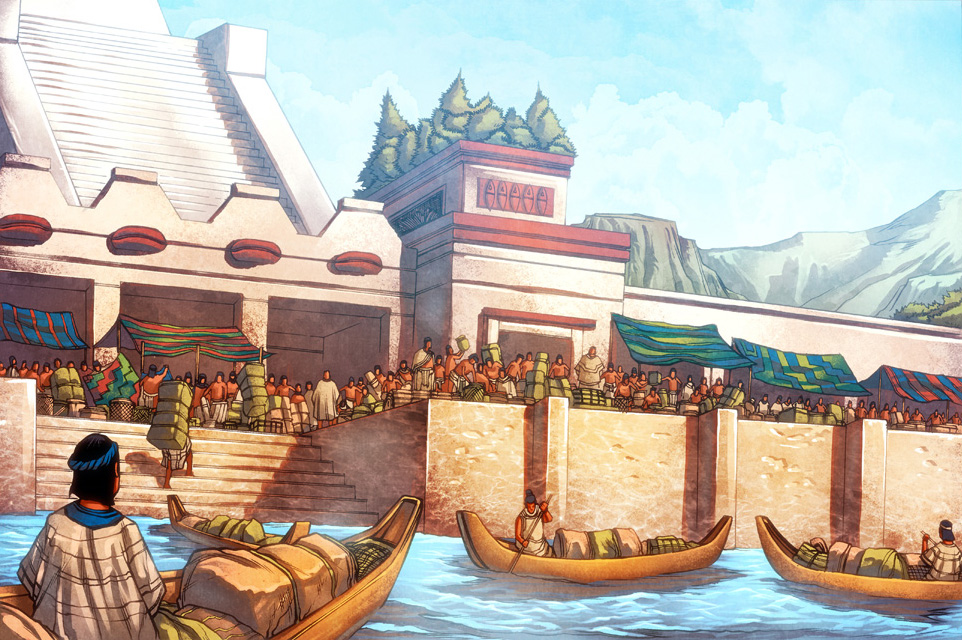
New Fire is a fantasy RPG in a setting inspired by pre-Columbian Meso-America.
It uses a d10 dicepool system and players roll for narrative control.
- if your character aces a check, you can narrate everything that had to do with your check.
- if your character succeeds but did not ace it, you can narrate everything that had to do with your check - but the GM can state one thing that you have to incorporate - but it must not be that you have failed.
- if your character fails but not too badly, the GM can narrate everything that had to do with your check - but you can state one thing that the GM has to incorporate - but it must not be that you have succeeded.
- if your character fumbles, the GM can narrate everything that had to do with your check.
The system also features pools of points that influences checks, and a seperate pool unlocked by the story for every PC dep. on their character (e.g. how well your sorcerer is intune with their spirit-animal)
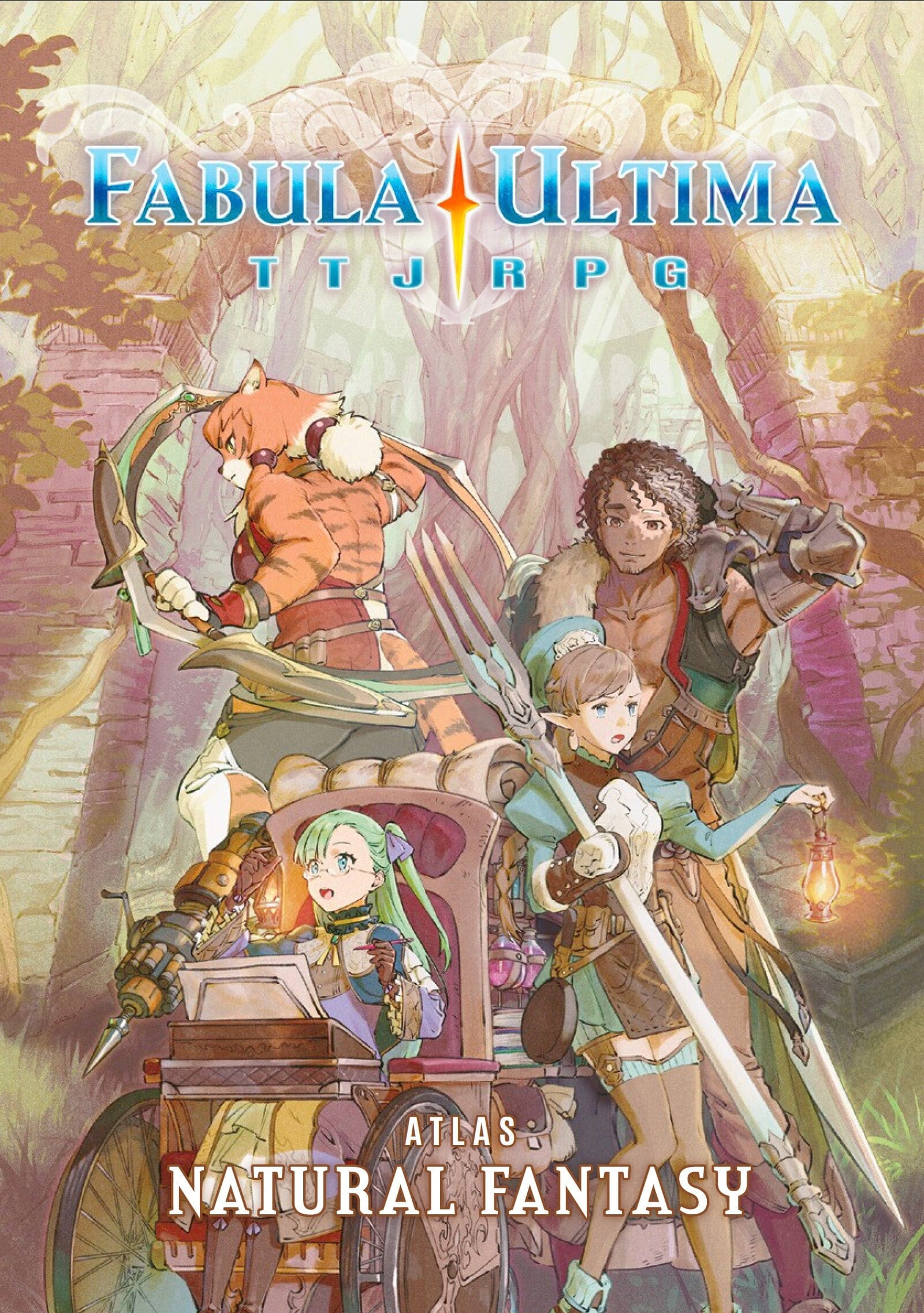
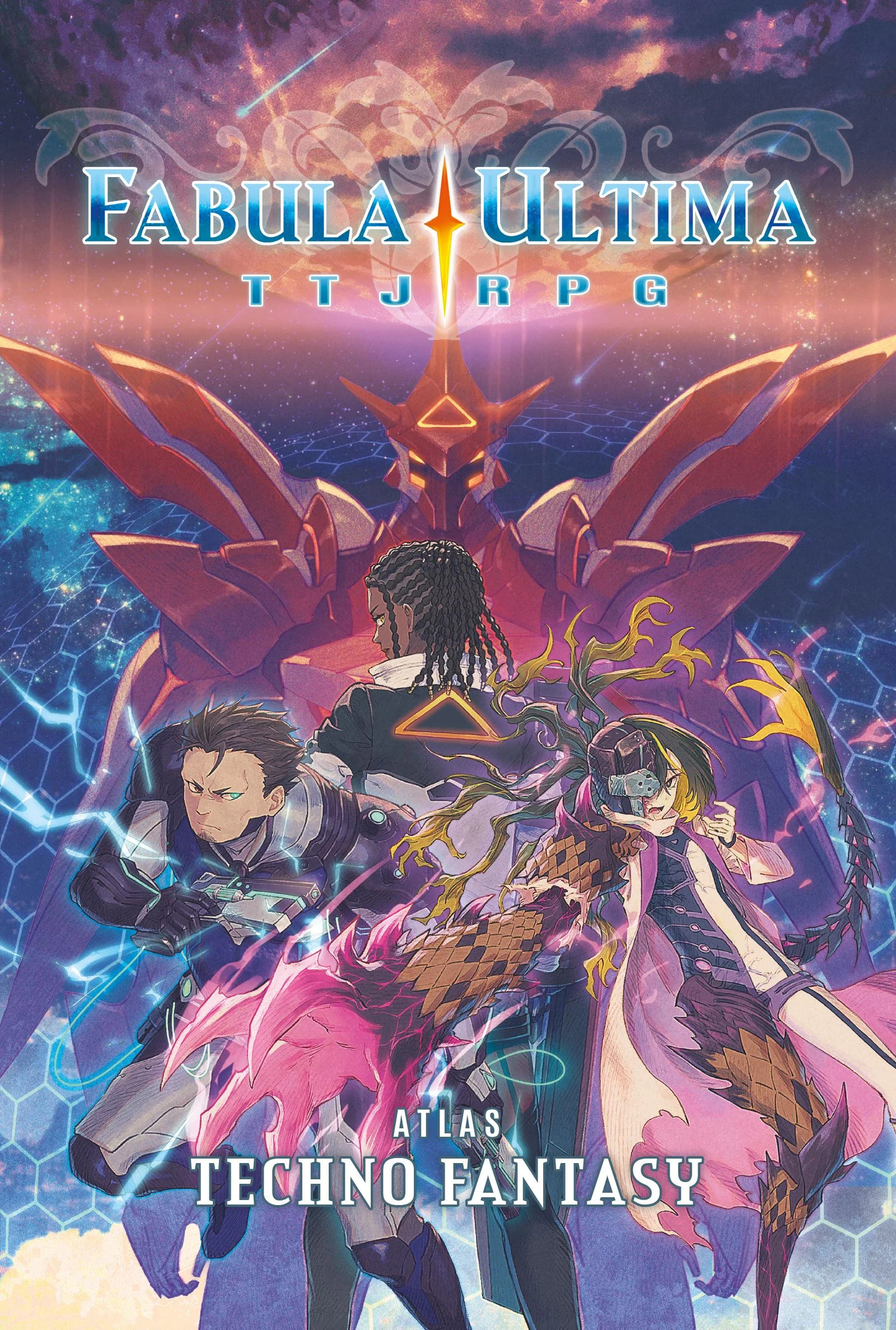
Fabula Ultima
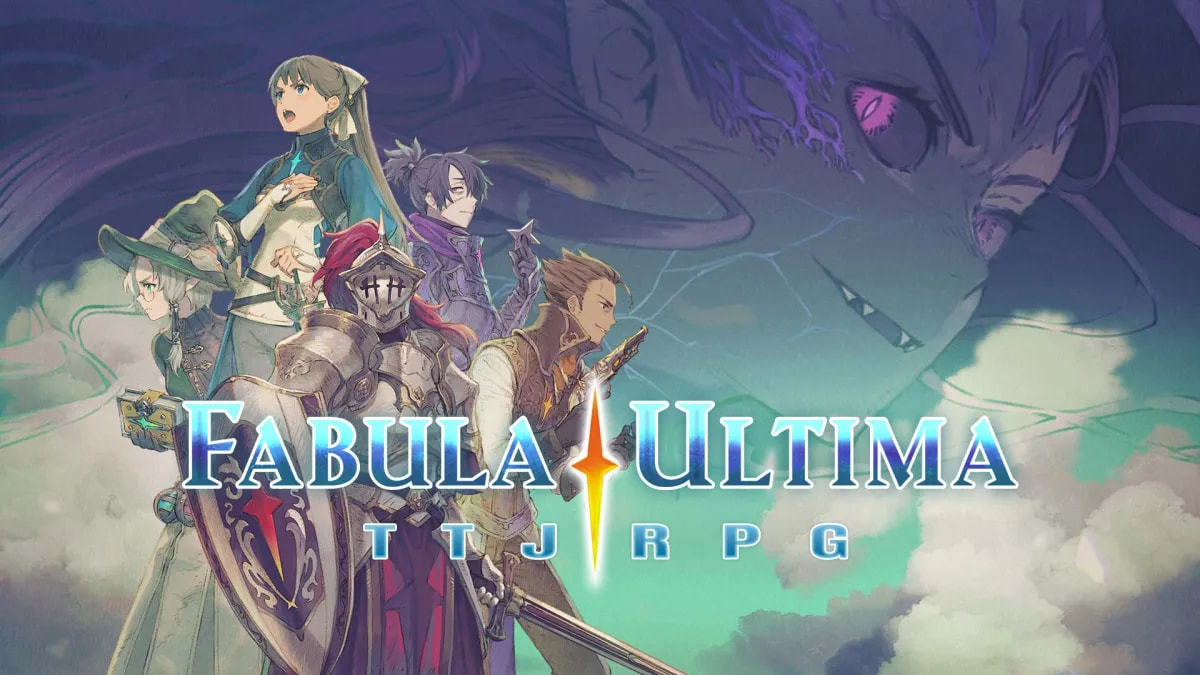
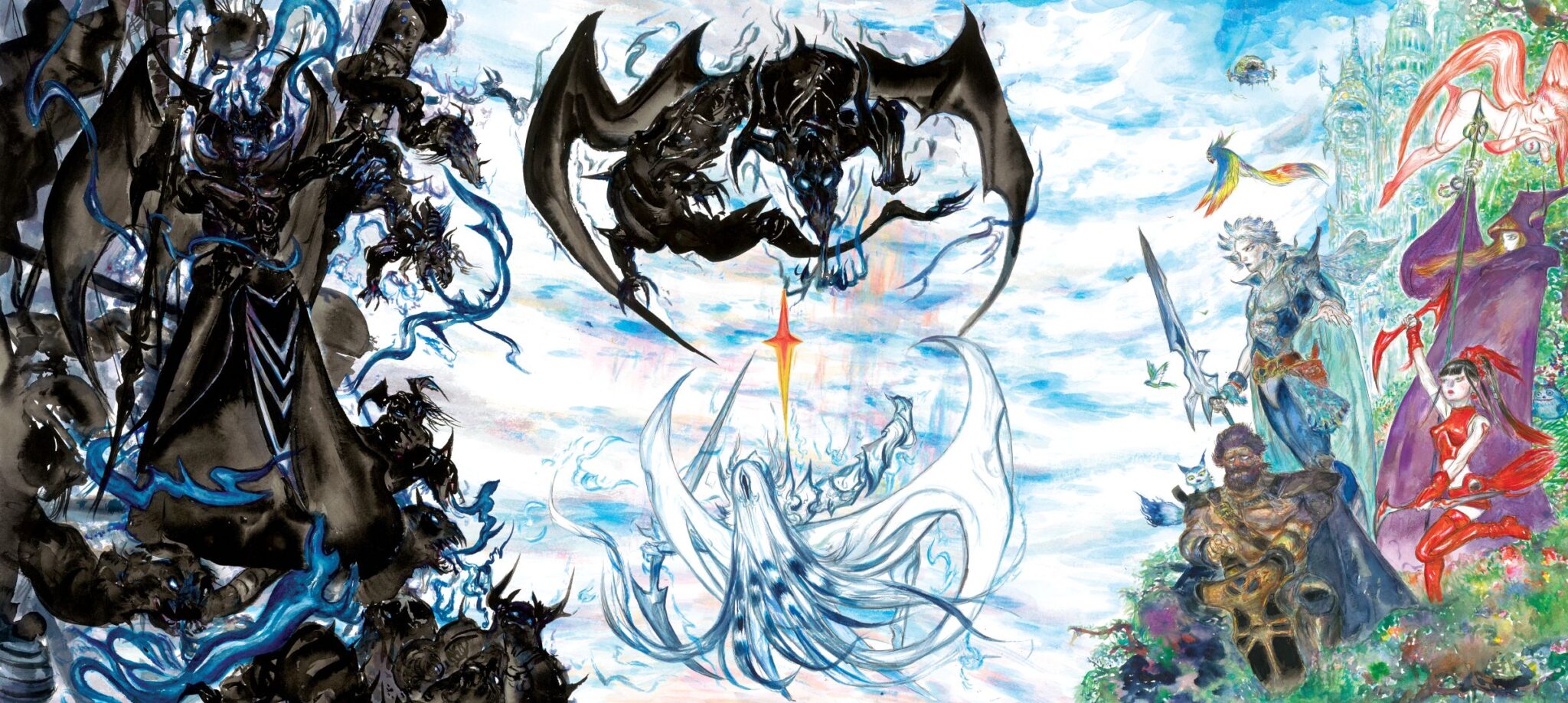
Fabula Ultima is a roleplaying game inspired by Final Fantasy, Bravely Default, Octopath Traveler and many more.
Every player character has Fabula Points, which they (also) can use to influence the story. What is really nice is that when an BEG makes a (dramatic^^) entrance every player character gets a Fabula Point … I really like that.
It also features really awesome character creation options (which I would  to get into … but that would be to much for a single post^^).
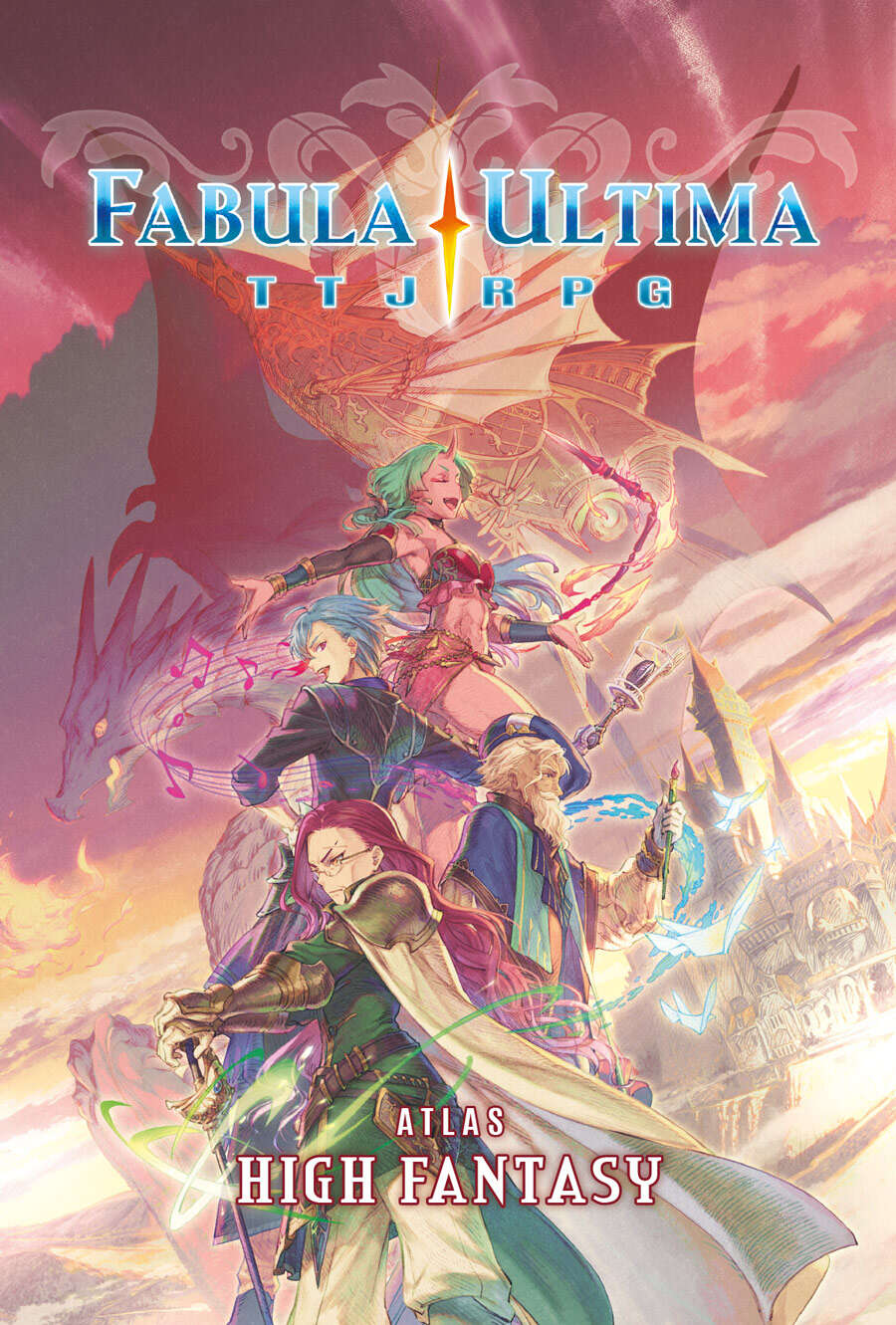
The game features several books that give aid on how to run various genres (High Fantasy, Rustic Fantasy, SciFi, etc.)
… and I only scratched the surface here,
so if you know a system that does this too, please feel encouraged to add it
… also if you have questions about one of those systems, feel free to ask
 ) looked really interesting though.